ServicesSiding Installation
Siding Installation in Mauldin
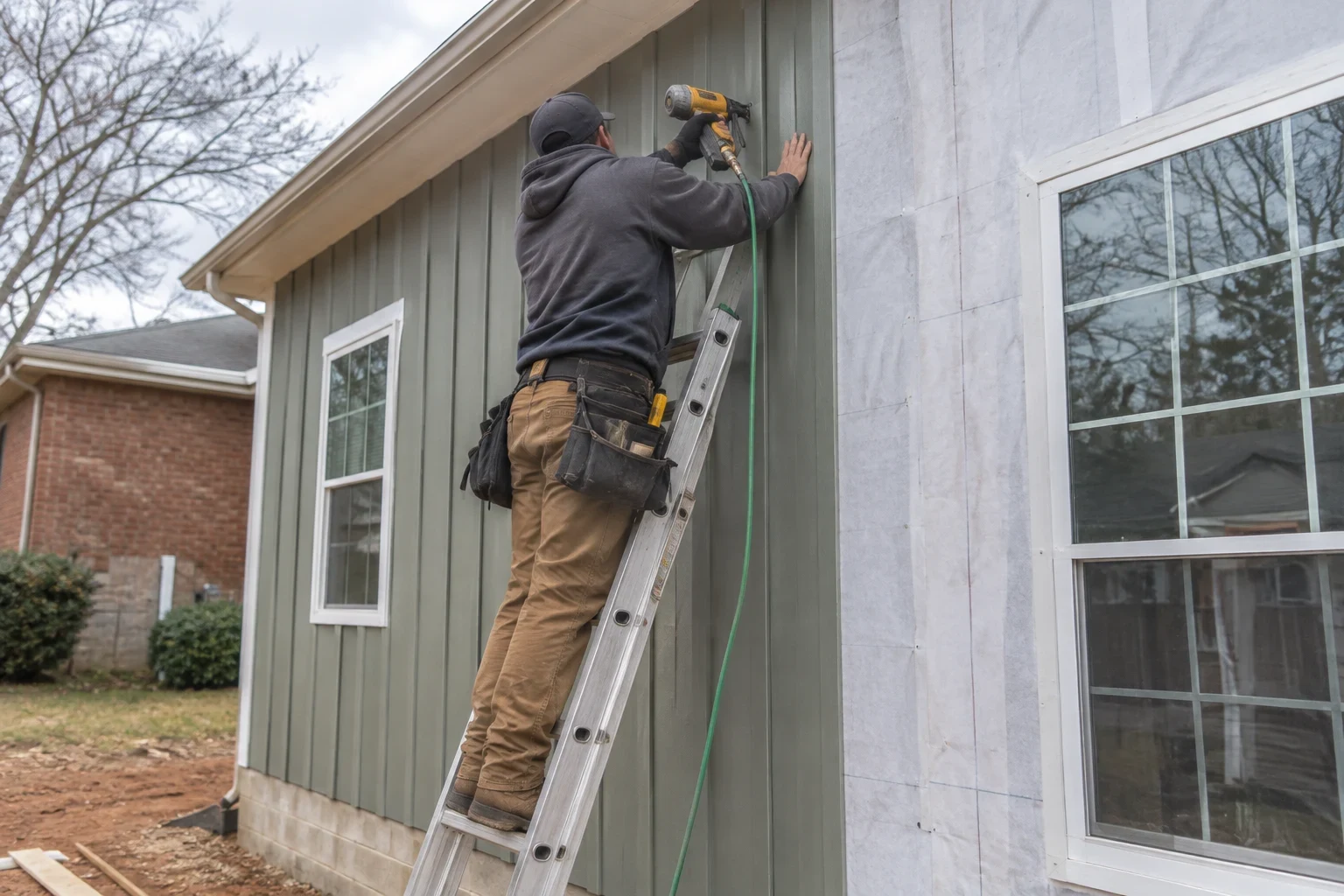
We replace tired, leaking or mismatched siding with fiber cement, vinyl or engineered wood, installed over a properly flashed wall. Your shrubs and walks are covered before the first board comes off, and you hear from us each day about what was found and what comes next.
New siding, installed with the house and yard in mind
We install siding on existing homes and on the custom homes we build. New siding is the right call when the old cladding is cracked, soft or letting water behind it, or when a remodel or addition needs the whole exterior to read as one house.
Siding work happens a few feet from your plantings, windows and front walk, so we plan around them first. Beds get covered, and ladders stand on boards instead of mulch. At the end of each day you get a short update on what came off the wall and what goes up next.
We hold licenses in both South Carolina and North Carolina, and we handle the siding ourselves, from the first board removed to the final piece of trim.
What our siding installation includes
- Careful tear-off
- Old siding comes off one section at a time and is lowered, not thrown. Debris lands on tarps and goes straight into a dumpster set on boards so it does not mark your driveway.
- Sheathing and framing check
- Once a wall is open, we look closely at the sheathing and framing behind it. Soft or stained wood is photographed and shown to you, with a written line item, before anything is replaced.
- Weather barrier and flashing
- New house wrap goes on with lapped seams, and every window, door and roofline joint is flashed. This layer, more than the siding itself, is what keeps water out of the wall.
- Trim and penetrations
- Corner boards, window trim and soffit transitions are fitted cleanly. Lights, hose bibs and vents get proper mounting blocks so they sit flat and shed water.
- Finish and sealing
- Fiber cement can arrive factory-finished or be primed and painted on site. Joints are caulked to the manufacturer's spec, with room left where the material needs to move.
- Daily cleanup
- Each evening we run a magnetic sweeper over the lawn and walks for stray nails. The yard is left usable every night, not just on the last day.
Signs your house is ready for new siding
Warped or loose boards
Vinyl that waves in afternoon sun or panels pulled loose after a storm no longer seal the wall behind them.
Soft or swollen edges
Press along the bottom edges of the boards. Older hardboard siding swells, flakes and turns spongy once it has soaked up water.
Mildew that keeps coming back
Humid summers keep shaded walls damp, but green growth that returns within weeks of washing can mean moisture is trapped behind the boards.
Stains or peeling paint inside
Water marks near windows or bubbling paint on an exterior wall often trace back to failed flashing or siding outside.
Paint that will not hold
If the exterior needs repainting every couple of years, the substrate is usually the problem, not the paint.
An addition that will not match
When a remodel adds new walls, residing the whole house can be cleaner than chasing a discontinued profile or color.
What shapes the cost of new siding
Siding prices come from a handful of things, and each one appears on your written estimate. You will know what is included before work starts. If we find damaged sheathing once the wall is open, you see photos and a price before we repair it.
Wall area and shape
Total square footage matters, but so do gables, bump-outs and dormers, which take more cuts and trim than a long flat wall.
Material and finish
Vinyl, engineered wood and fiber cement differ in material cost, installation time and whether painting is part of the job.
What is underneath
Rotted sheathing, soft framing or missing flashing has to be corrected before new siding goes on, and that work is priced separately.
Height and access
Second stories, steep slopes and tight side yards call for more staging and more care around landscaping.
Trim and details
Window and door trim, soffit and fascia, shake accents and the number of fixtures on the walls all add time.
How a siding project runs
- 1
Consultation and walk-around
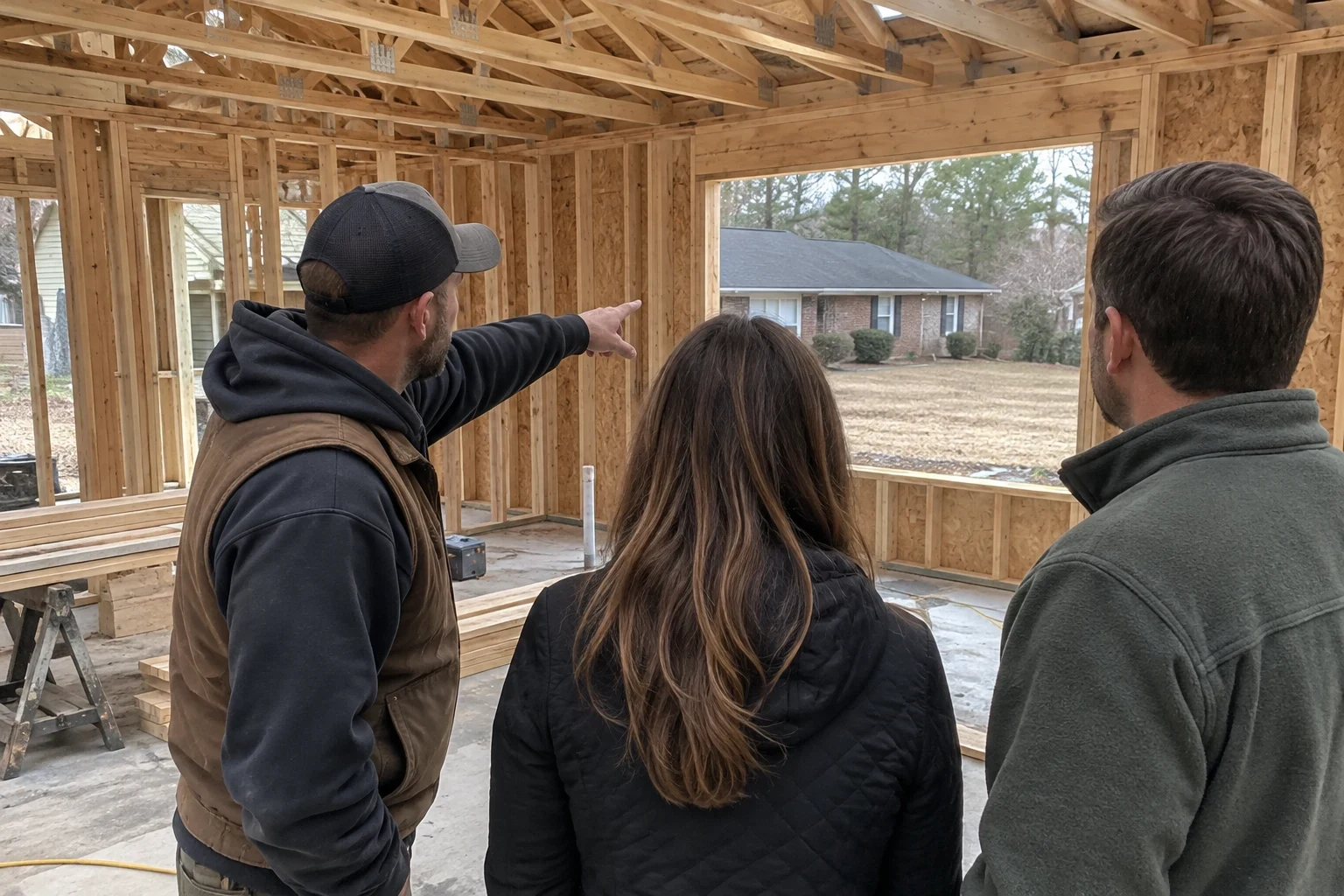
It starts with a phone call, then a visit to measure, look at trouble spots and talk through materials, profiles and colors. We also note your plantings, gates and anything near the walls.
- 2
Written estimate and schedule
You get line items for materials, labor, trim and any likely repairs, plus material lead times. We agree on where the dumpster and deliveries sit and which side of the house goes first.
- 3
Protecting the property
Before tear-off, beds near the walls get plywood or tarps, windows are covered and walkways are kept clear. We let you know what to move, such as patio furniture or pictures on walls that may rattle.
- 4
One wall at a time
We open, wrap, flash and side one elevation before moving on, so no wall sits exposed longer than it needs to. If afternoon storms build, open sections are wrapped and closed first.
- 5
Final walk-through
We walk the house with you, finish any punch-list items and do a last sweep of the yard. You see the finished trim, sealing and cleanup before we call it done.
Siding installation questions
Do I need to be home while the siding goes on?
No, as long as we can reach the outside walls and an outlet. Many owners are at work during the day. We send a short update each evening so you know where things stand without having to watch.
How long does a siding project take?
Most single-family homes take one to a few weeks on site, depending on size, material and how much repair turns up behind the old siding. Fiber cement that is painted on site takes longer than prefinished boards. We give you a schedule with the estimate and tell you right away if weather or repairs shift it.
What happens to my shrubs and flower beds?
We cover beds against the walls with plywood or tarps before tear-off and keep ladders on boards rather than in mulch. Plants that sit very close to the house may need to be tied back, and we talk through those with you beforehand. Nails and scrap are swept up every evening.
Which siding material makes sense here?
Fiber cement holds up well to heat, humidity and insects and takes paint nicely, though it is heavier to install. Vinyl costs less and needs little upkeep. Engineered wood gives a deeper wood look with less weight than fiber cement. We show you samples and explain the tradeoffs for your house rather than steering you to one answer.
Will you pull a permit for the work?
Re-siding often requires a building permit, depending on the scope and the jurisdiction. We check with the local permit office and pull the permit when one is required, then schedule any inspections.
Is the siding work covered after you finish?
Yes. Our siding installations carry a 1-year warranty on workmanship. Material warranties come from the siding manufacturer, and we explain those for the product you choose.
Talk through your siding project
Tell us about the house, what is going on with the current siding and what you would like it to look like. A project consultation is the first step toward a clear estimate and a schedule you can plan around.